Tech, Tools & Transformation: The Future of Music Learning
By Shubham Pathak — Singer-Songwriter & IB MYP/DP Music Instructor
Edited by Sohaib Durrani
Music education is changing, and fast. With technology evolving at lightning speed, it’s no longer enough to rely solely on traditional methods. As a singer-songwriter and an IB MYP/DP music teacher, I’ve seen how digital tools, AI, and online resources are reshaping how we create, learn, and think about music. In this article, I’d like to share some tools and approaches that have made a real difference in my teaching and creative practice—and how they might help prepare our students for the music world of tomorrow.
Digital Audio Workstations: Not Just Equipment for Recording
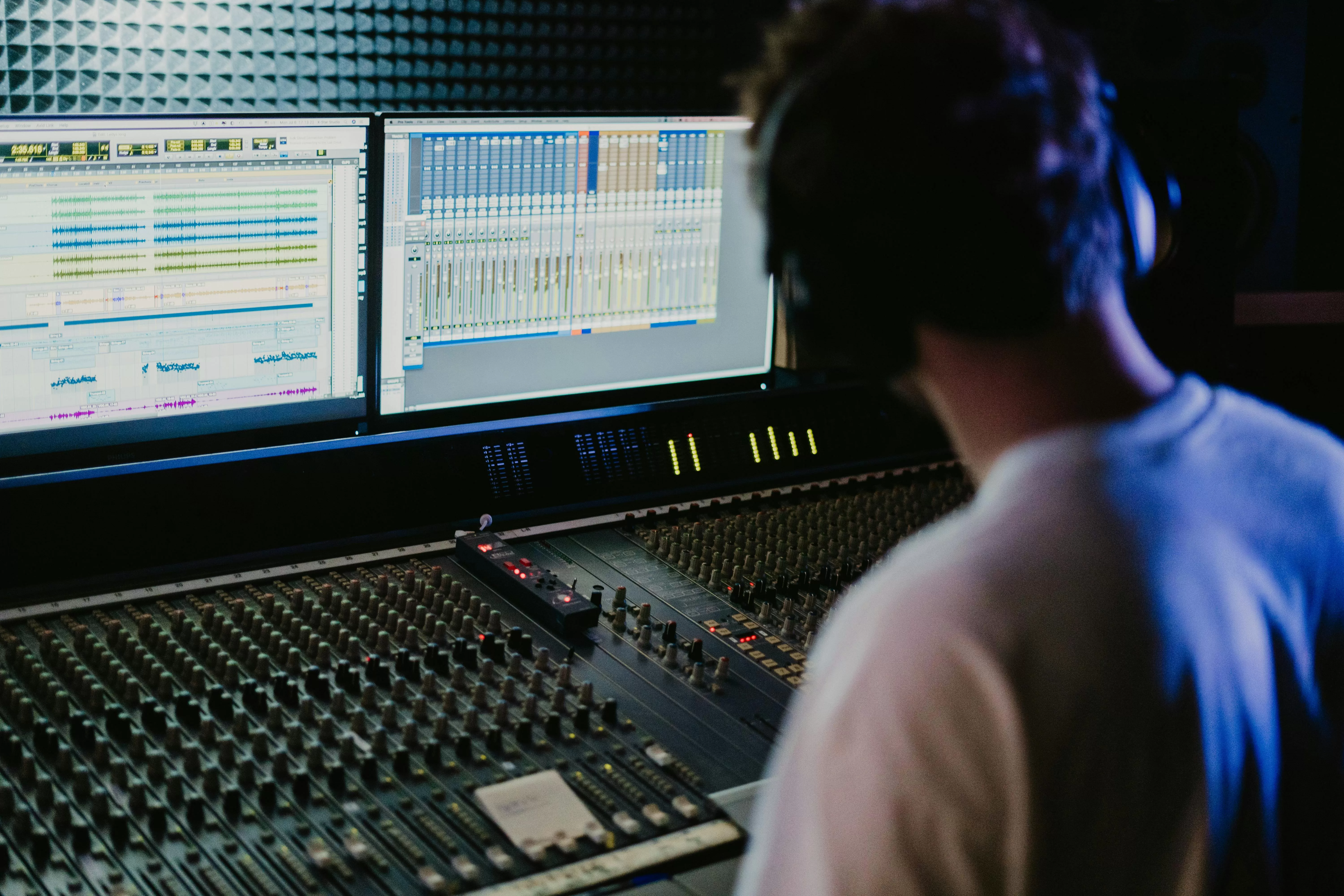
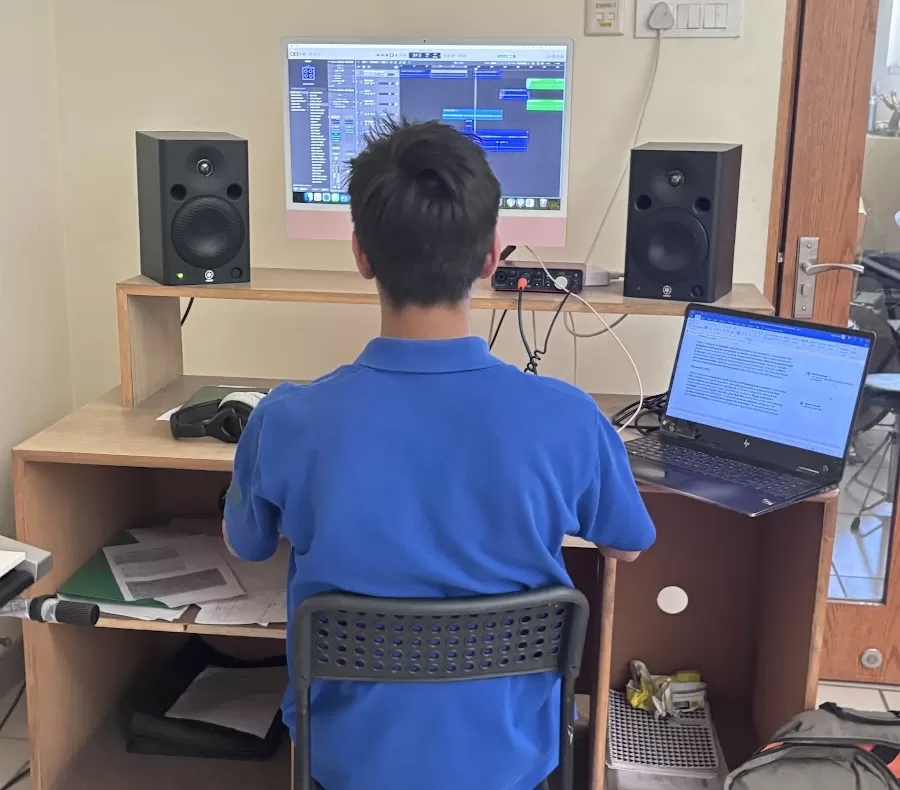
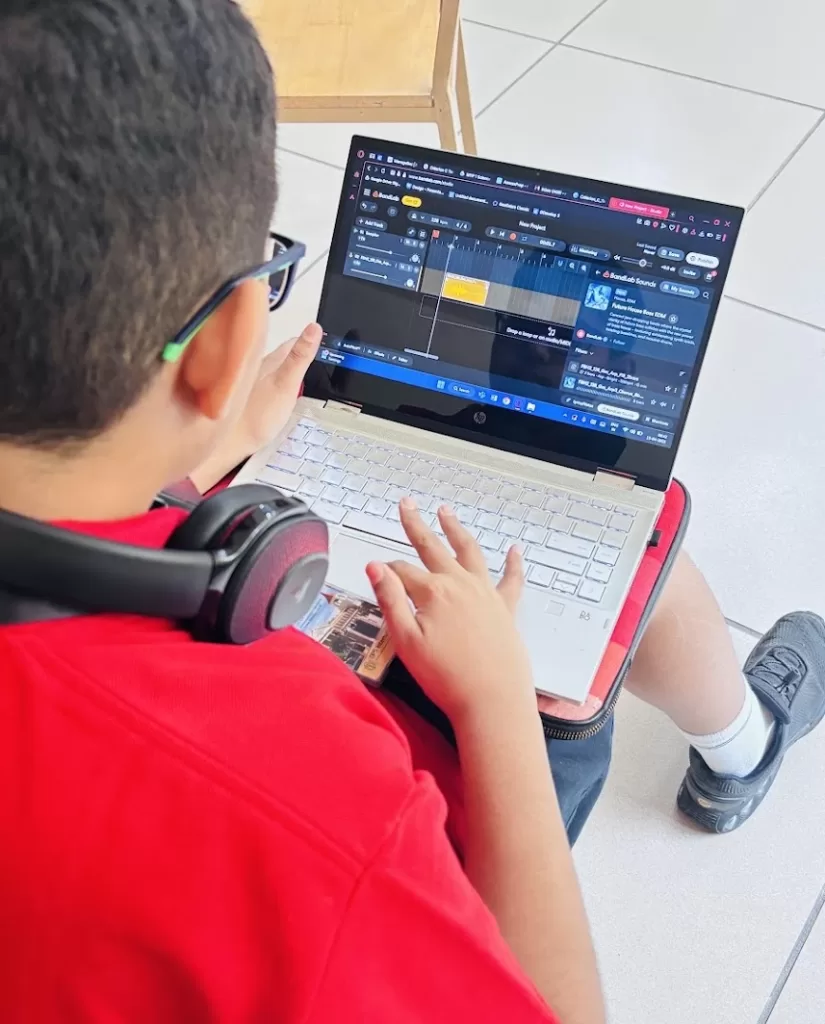
Key Tools: Digital Audio Workstations (DAWs) have emerged as the central component of contemporary music production, including Logic Pro, Ableton Live, FL Studio, and BandLab. In the classroom, I push students to view DAWs as composing playgrounds as well as recording tools.
Try This: Give kids a brief but open-ended assignment to begin, such as “Create a two-bar motif that feels tense. ” They can then investigate automation, effects, layering, and other topics.
What Takes Place: Students begin to think like composers and producers. They experiment with textures and noises, evaluate their artistic decisions, and establish their own creative process.
AI in Music: Not a Danger, Just a Tool
Important Tools: iZotope Neutron (for stem splitting), AIVA, and MuseNet in artistic circles, artificial intelligence frequently provokes discussion. However, I’ve found it to be a fantastic analytical and motivating partner.
Classroom Concept: Start with a chord progression or melody produced by AI. Students should then be asked to make their own versions and contrast them. What is comparable? What’s different? Which version seems more distinctive or expressive?
Deep Listening: Professional tracks’ stems can be separated using programs like iZotope Neutron. This is ideal for conversations about texture and balance since it enables students to separate instruments and truly comprehend how the mix is constructed.
Online Learning Resources That Motivate
Suggested Sites: GMI Blogs, which publishes articles about international music trends and production insights.

Berklee Online provides quick courses in everything from orchestration to songwriting. For people who wish to delve deeper, these platforms are veritable gold mines.
How I Make Use of Them: Give students a blog article to read before class. Provide Berklee modules as “extension tasks” for students who wish to delve deeper than the course material.
The IB Framework:
Why Today’s Technology Is Ideal for the IB (International Baccalaureate) Music Program Aware Students
Music is more than just learning to read notes or play an instrument in the IB Middle Years Programme (MYP) or Diploma Programme (DP); it’s about finding your identity and the ways that music unites people and ideas.
In addition to creating sound, students use instruments including guitars, MIDI keyboards, and loop stations to investigate important concepts like “Who am I?” “How do I express myself?” and “How does music reflect the world around us?” They attempt new things, explore, and think back on their path rather than just their last performance.
In essence, their process journal serves as their creative diary. They write about their experiences, their failures, their surprises, and their accomplishments. It aids in their comprehension that learning occurs via the process rather than just the final output.
Indeed, technology plays a significant role in it, but not to the exclusion of other factors. It is beneficial. Technology allows students more opportunities to listen, produce, and comprehend, whether it’s through recording music, creating digital sounds, or even exploring music from other cultures with hearing aids. It gives everyone access to opportunities.
Students at Diploma Programme (DP) Music even create a whole portfolio in which they produce, compose, perform, and reflect in one location. It’s similar to creating their own little soundtrack or album that demonstrates their development and originality.
IB Music is ultimately about more than just playing an instrument. It’s about using a little technology and a lot of passion to communicate your narrative through music, creativity, and inquiry.
Maintaining Your Skills as a Creator and Teacher
Being a practicing musician and instructor is one of the things I cherish the most. I stay up to date and connected because of that dual persona. Here’s how I maintain my interest:
Review of the Day: I follow Berklee’s updates or GMI Blogs to see what’s going on in music production and instruction.
Studio Time: Every week, I make time to test an AI tool, try out a new plugin, or just jam.
Thought: I write down how I might incorporate these events into my lessons because I know that if something inspires me, it will probably inspire my pupils as well.
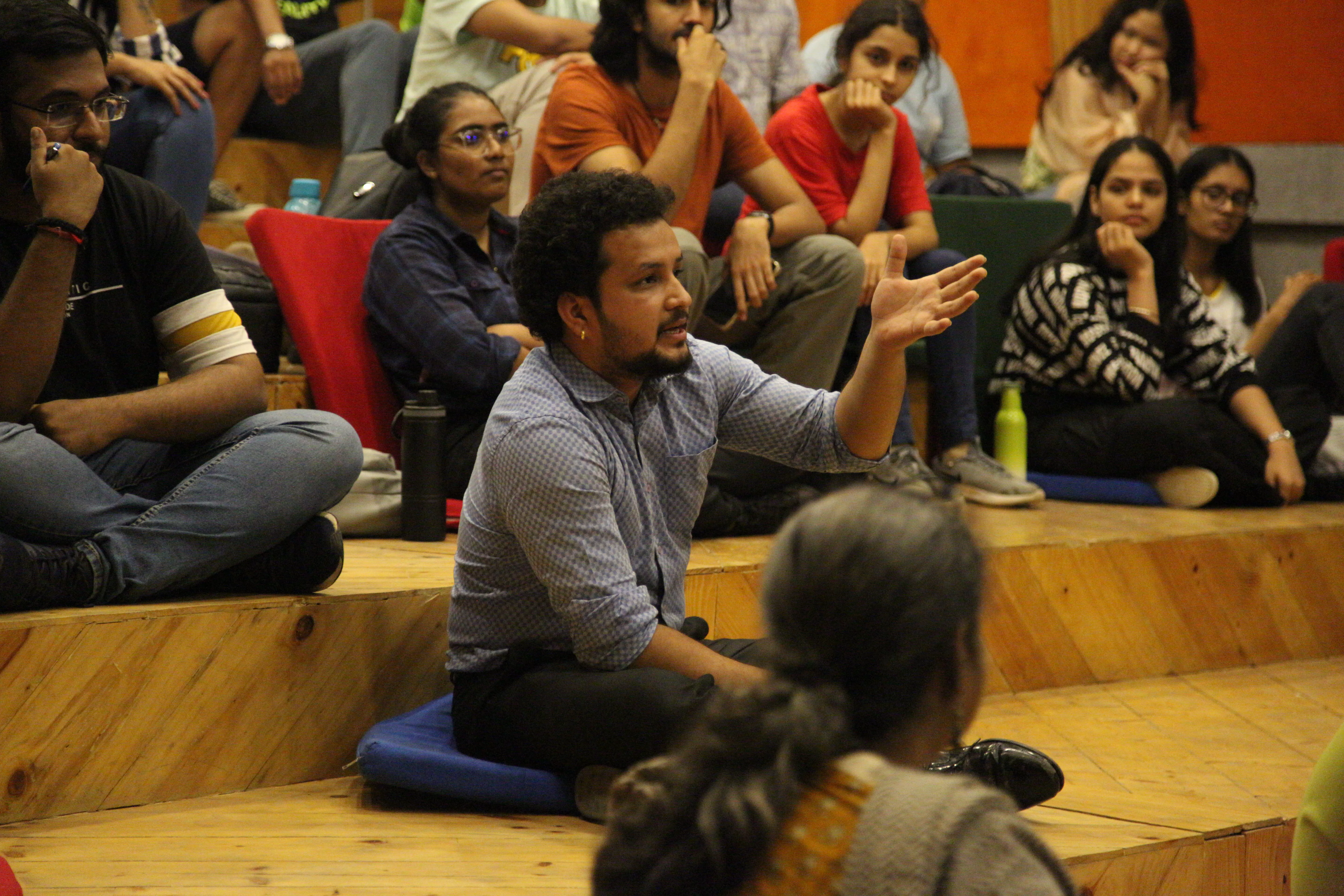
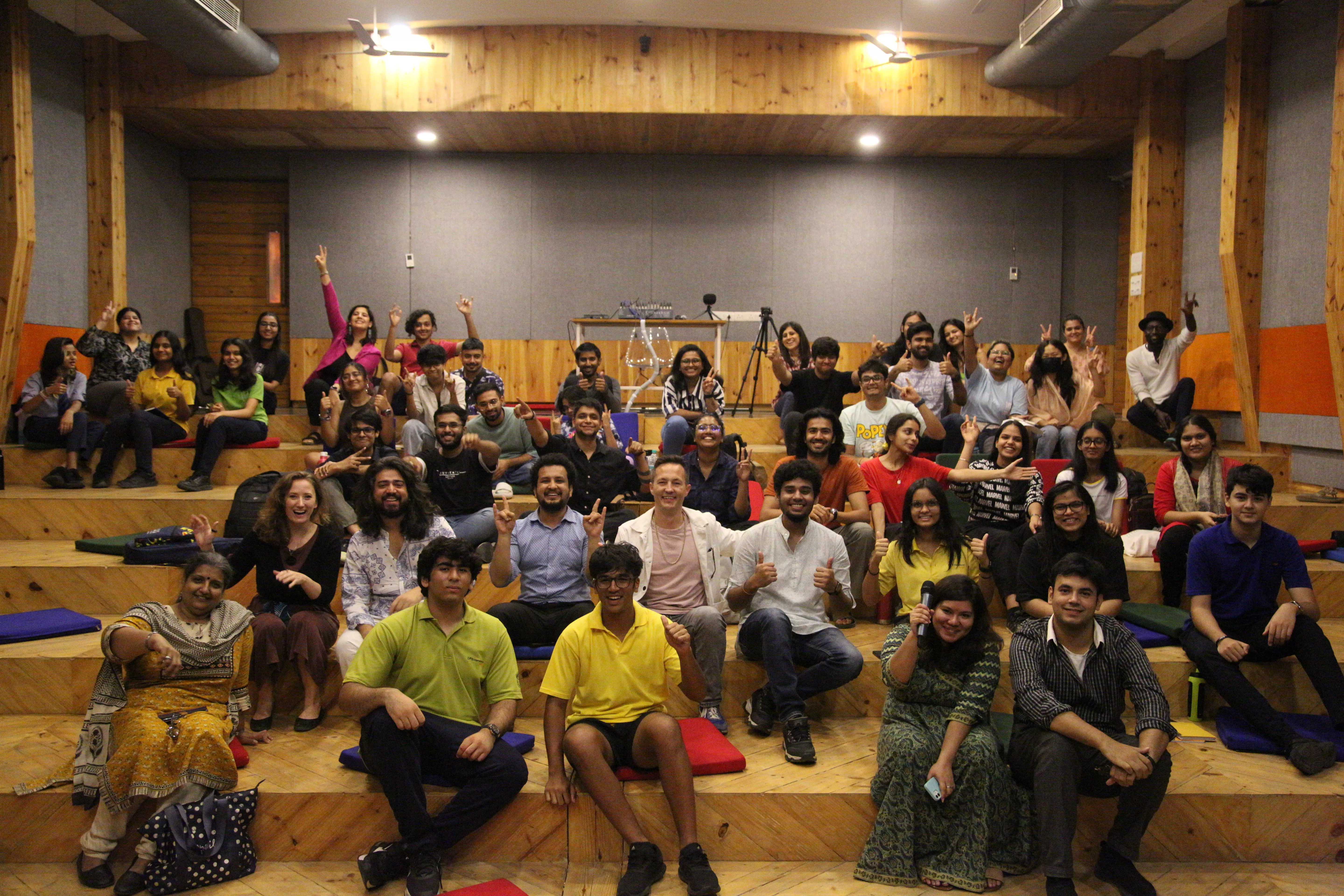 Shubham Pathak with students from DPS International at GMI for a workshop.
Initiating Discussion
It’s incredible how frequently students return from using these materials feeling motivated and energized. Let’s continue the conversation. I prefer to utilize the following two prompts in staff workshops or in the classroom: Which online course or digital tool has had the biggest impact on your creativity this term?
How may AI analysis influence your upcoming song or performance? Invite students (and coworkers!) to reply via a class blog, discussion board, or shared document. These discussions might turn into a treasure trove of ideas and tactics.
The goal of integrating technology into music education is to prepare students for an already-existing musical world, not only to stay current with trends. We can provide students with the resources they need to succeed critically and artistically, whether it be through DAWs, AI-powered analysis, or international online resources. The ideal basis for this integration is the IB framework, which places a strong emphasis on inquiry and reflection. As teachers, we have a unique opportunity to help students develop into not only talented musicians but also inquisitive, flexible, and creative individuals.
About Me
I’m a passionate musician, composer, and educator with a deep love for guiding students through the transformative power of music. Currently, I lead the music department at DPS International and serve as a Music Expert for the DPS Society, where I combine my creative vision with a commitment to educational excellence.
With certifications from the University of Edinburgh and Berklee College of Music, I bring a global, contemporary approach to my teaching. Beyond the classroom, I write and release my own music—my debut album “Khawabon Ki Tasverien” is now streaming across major platforms, blending heartfelt storytelling with original compositions.
Whether I’m mentoring young talent or creating music of my own, I believe in the power of sound to connect, heal, and inspire.