Dr. George Musgrave says It’s Time To Talk!
Written by Senjuti
Global Music Institute (India), alongside TATVA (India), Goldsmiths, University of London (UK), and Creative Empirical (UK), launched ‘It’s Time To Talk’– a nationwide survey to understand the mental health reality of India’s music industry- on November 10, 2025. ‘It’s Time To Talk’ aims to contribute to a growing evidence base from around the world, highlighting that musicians’ building a career in the music industry experience mental health challenges at significantly higher levels compared to the general population. This is especially important, as it legitimises the concerns of musicians that are otherwise unfairly dismissed due to pervasive tropes of the ‘troubled musician’ that have echoed through the ages.

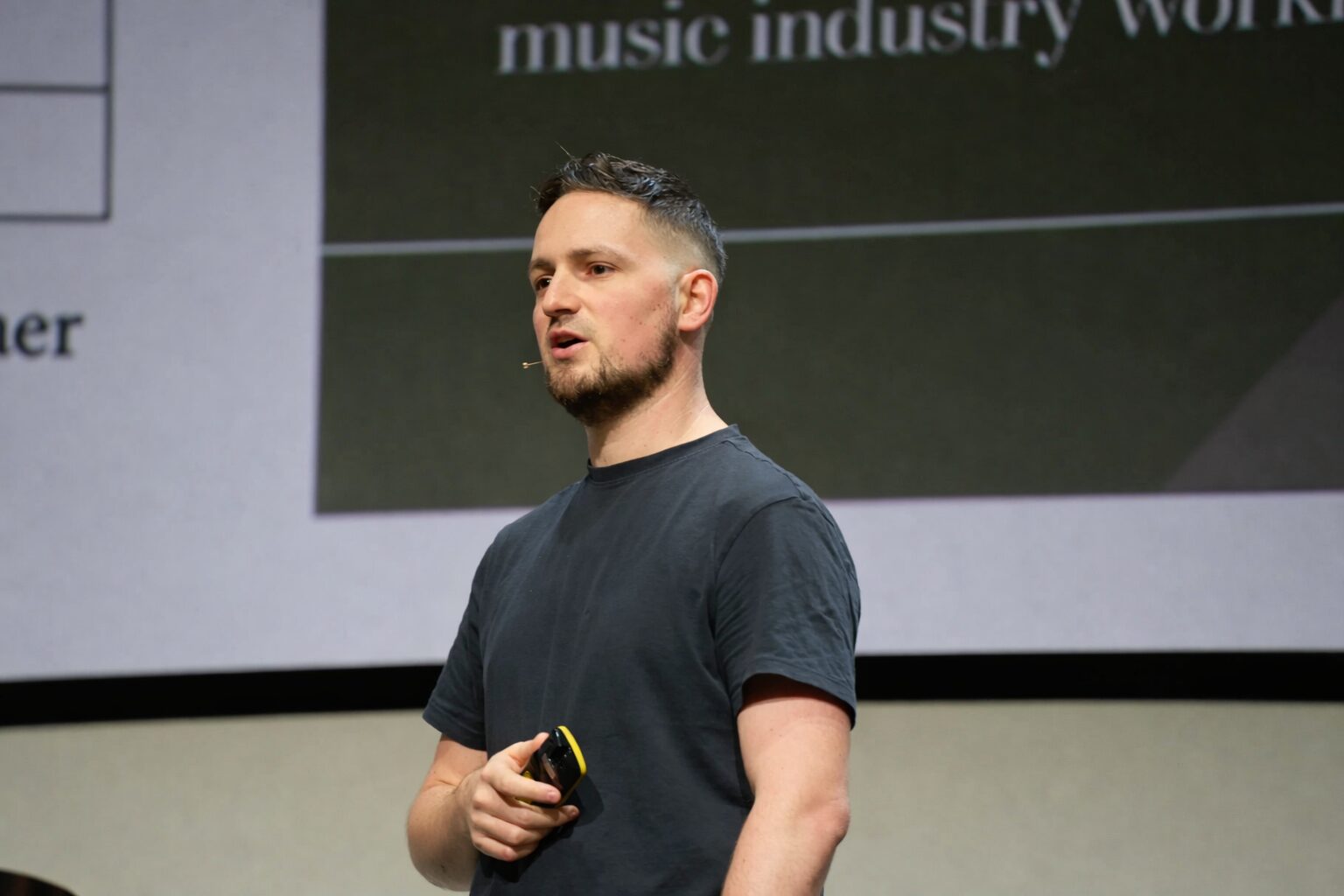
To learn more about ‘It’s Time To Talk’, I spoke to Dr. George Musgrave, Associate Professor of Cultural Sociology at Goldsmiths, University of London (UK). Elaborating on the rationale behind the project, he says, “What I’ve seen in research projects I’ve been a part of in the United Kingdom, and Denmark, is that rates of anxiety and depression in this group are very high. This is a workforce that has a very high level of psychosocial stress for various complicated and overlapping reasons. While this conversation is taking place around the world, it’s not meaningfully happening in India despite the fact that we know that it is a problem on the ground.” While conversations around musicians’ mental health have rapidly accelerated in the last decade, they have been limited to the Global North. ‘It’s Time To Talk’ brings this conversation to one of the world’s fastest growing music industries – figures from earlier this year revealed it to be valued at Rs 3200 crore just from recorded music – by spotlighting the lived reality of the people behind the staggering figure.

The inception of a sizable project like ‘It’s Time To Talk’ happened one by one and then all at once when “the right people were in the right place, at the right time.” Kripi Malviya, psychotherapist and creator of TATVA, had been working with artists and creative professionals for over a decade, and was well-placed to understand the challenges of the ecosystem, as well as the need for a nationwide survey. Upon meeting Dr. Musgrave at a conference hosted by the Music Therapists Collective, she shared her vision for the project, and set things in motion for what became ‘It’s Time To Talk’. “Every project, every idea needs an enzyme. It needs something to come together to make it happen. What it meant was there were four incredibly knowledgeable, passionate and driven women who connected this together and made it happen, and I’m just part of that process in terms of trying to accelerate it and bringing research expertise to it,” says Dr. Musgrave.
Having been doing specialised research on mental health in the music industry for the last fifteen years, Dr. Musgrave has done research in both England and in Denmark. On getting to explore India through the granular lens of research, he says, “It’s a real privilege to be invited into another country, and to be like, “Come and learn the way we do things over here and see how it’s different.” Because on one hand, musicians in London, Copenhagen, and Mumbai share a lot. But there’s also a huge amount that they don’t share. There are things from around the world taking place in India, like Lollapalooza. But there’s also a massive cultural, and historical difference.” In such a context, his approach to his work has been guided by a constant willingness to learn and adapt. “I’ve tried to approach this project by saying that I’m as much of a learner as I am, an ‘expert’.”
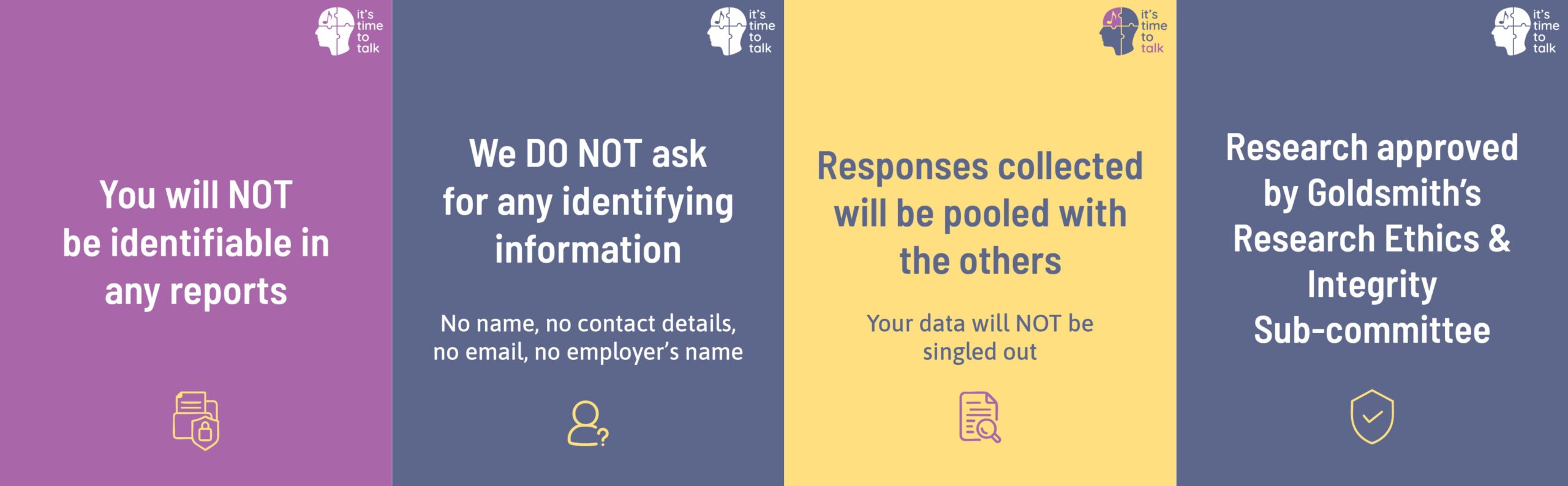
One of the key aspects of the research is the question: to what extent is working as a musician or a music professional a risk factor or a protective factor over and above other factors? Exploring this question poses a methodological challenge, because mental health is influenced by a range of factors in our lives– from genetics, to relationships, and our home environment – making it difficult to isolate any one variable, such as musical work, in and of itself. There are a number of ways to address this. Firstly, Dr. Musgrave explains, “This is one of the reasons you need to collect all of this demographic baseline data. What you can do is feed the data into statistical models to take account of existing differences, and then add other kinds of data over the top, to see if it leads to improvement or worsening.” An additional challenge to exploring the above question is the aforementioned trope of the troubled musician, wherein musicians’ concerns are often dismissed through the stigmatising cultural narrative that they were “mad in the first place”. Speaking to this, Dr. Musgrave says, “When we’ve collected data in the UK and in France, that was on musicians and music industry professionals. Now, when you find that they are both suffering from mental health challenges- what’s the thing that they share? It’s the working environment! So you can’t say that all the people who are lighting technicians at live music venues were all mad to begin with as well. It doesn’t make any coherent sense to explain that away in that way.”
Trying to explore this question by capturing the lived reality of a group of people on a standardised piece of paper is a challenge, and may seem limiting. This is even more so when the survey is being created for a country as vast and diverse as India. The ‘It’s Time To Talk’ survey has been meticulously designed, and it is collecting “four overlapping quantitative points of reference,” – demographic data, music industry-specific data, mental health measures, and data on psychosocial stressors. The team intentionally chose variables that define the contours of the Indian music community’s socio-cultural reality. Explaining further, Dr. Musgrave adds, “When you’re collecting demographic data in India, you’re collecting different kinds of data than you might be collecting in Denmark or the UK. The team were telling me the importance of measuring caste as a variable, and the importance of measuring class.” He continues, “There are culturally specific questions in the music industry tranche of questions as well. We have a question in there that allows us to segment the data on the film industry, versus the non-film industry, and the sort of subtlety of the overlaps between them.”
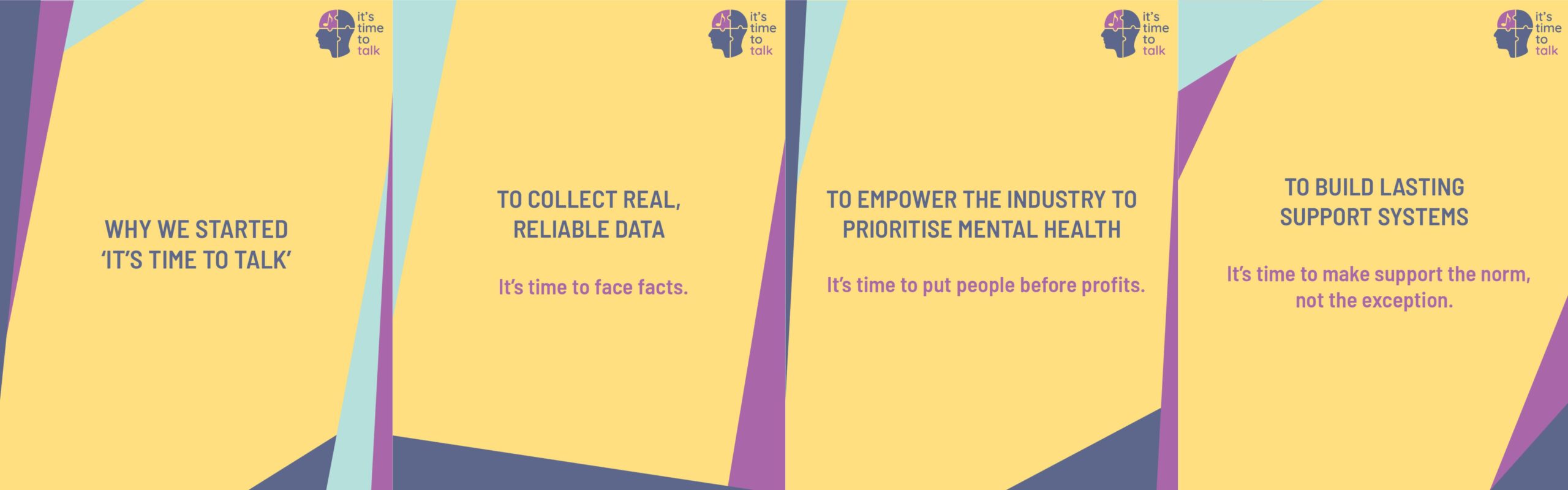
According to Dr. Musgrave, the main role of the data from this research study is twofold. Firstly, the data serves as an “empirical anchor” in an environment where the genuineness of mental health challenges are still in question for many people. “Having really robust data is a fantastic starting point to anchor these conversations in,” he points out. The second is that the data makes it possible to precisely identify needs, design targeted interventions, and allocate resources. “In a country that is as vast and diverse as India, there’s going to be multiple overlapping forms of need. What people need in one region of India might not be the same as in another. What the data allows you to do, is identify that need more precisely. The reason why that is important is because if you’re going to roll out a form of mental health intervention, you want to, as far as possible, have the data which shows you that you’re rolling out the right thing.”
Once the data has been collected and analysed, its findings will be published in an industry-facing report, and in reputed academic journals. But the team’s vision is to ensure that ‘It’s Time To Talk’ goes beyond academic publications, to make a tangible difference, and they are well aware of the uphill task they face in making empirical data impactful. To this end, it is imperative to have as large a data set as possible. “If you create a survey and twenty five people fill it out, you can’t do a lot because it doesn’t tell you a whole lot,” explains Dr. Musgrave.The team also intends to engage key stakeholders across the industry to co-create interventions tailored to the country, to support the needs of its people. “You need to bring people together to say, “Here’s what we found, and there’s an unmet need here. How do we meet this need in India?” The need in India will be distinct, and it needs people in India. The other thing is, what you suggest has to be possible. You can’t say, “What we need is a multi-agency task force that represents every state in India to coordinate this and that and the other.” That’s not going to happen overnight.”