RNZX: In Conversation with Oshin
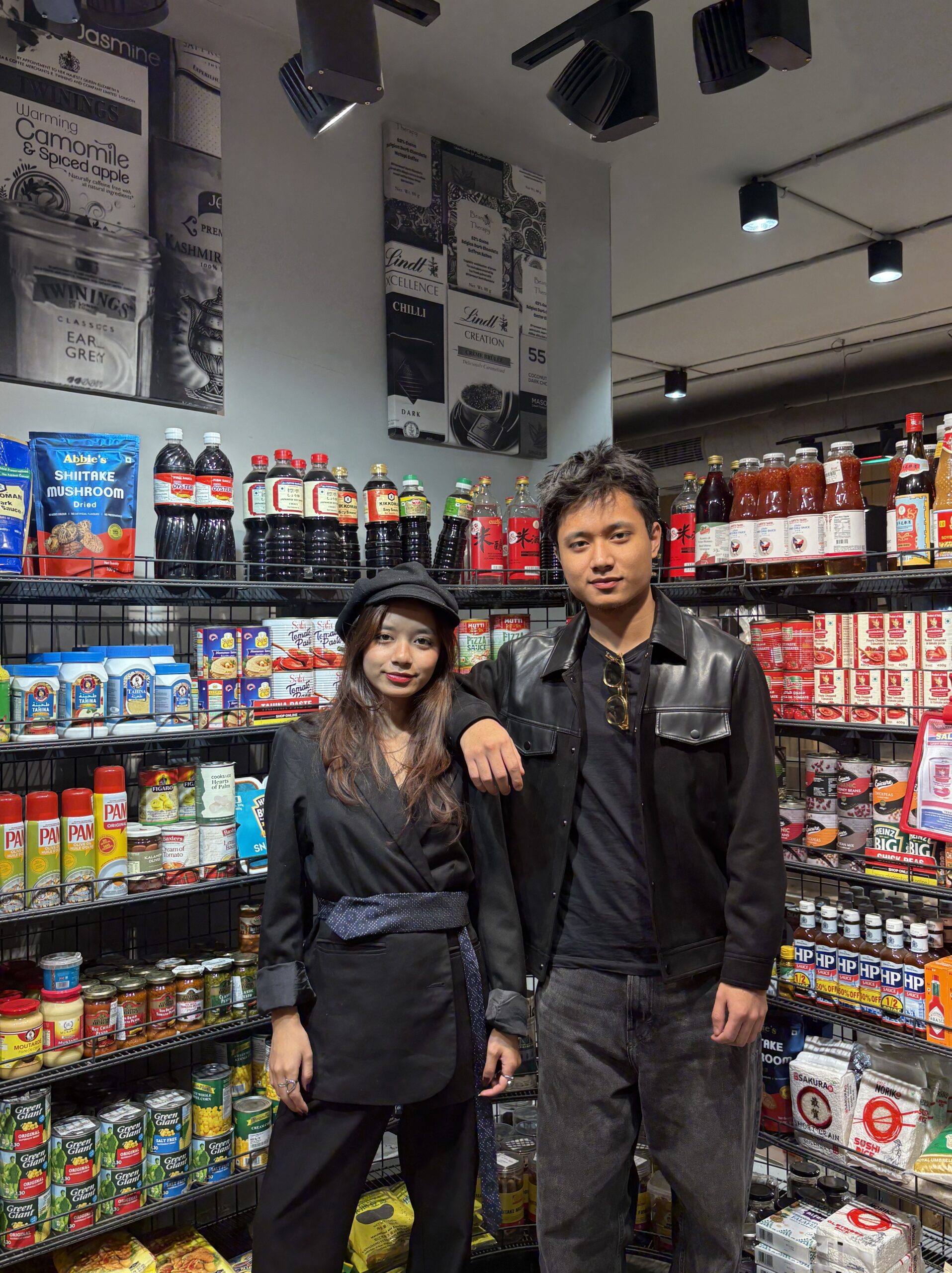
Rina and Zeli Khawlhring didn’t set out to build a band. They set out to survive a lockdown. What came out the other side was RNZX, and five years later, it’s clear that what started out of pure boredom in a shared bedroom has become something neither of them could have fully planned for.
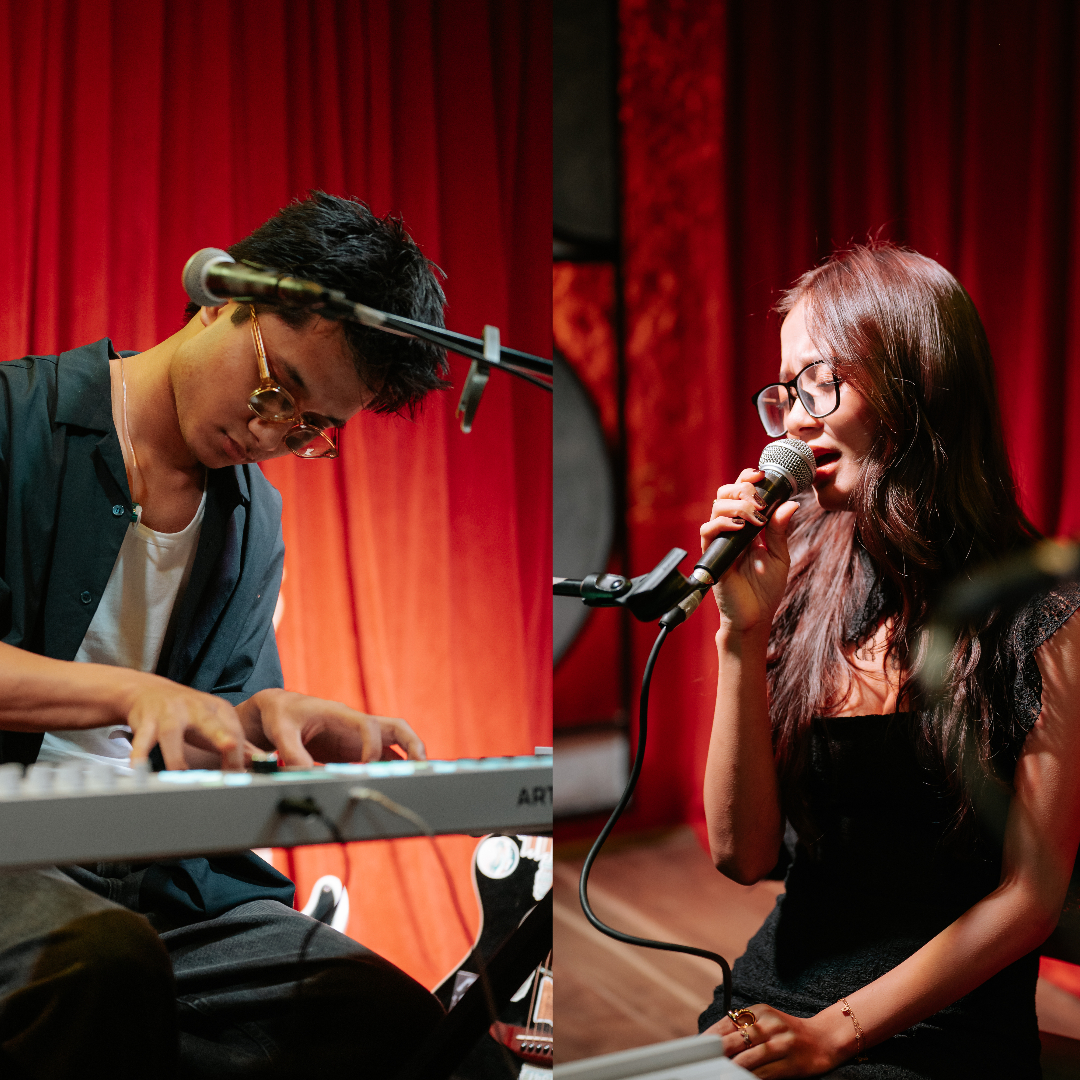
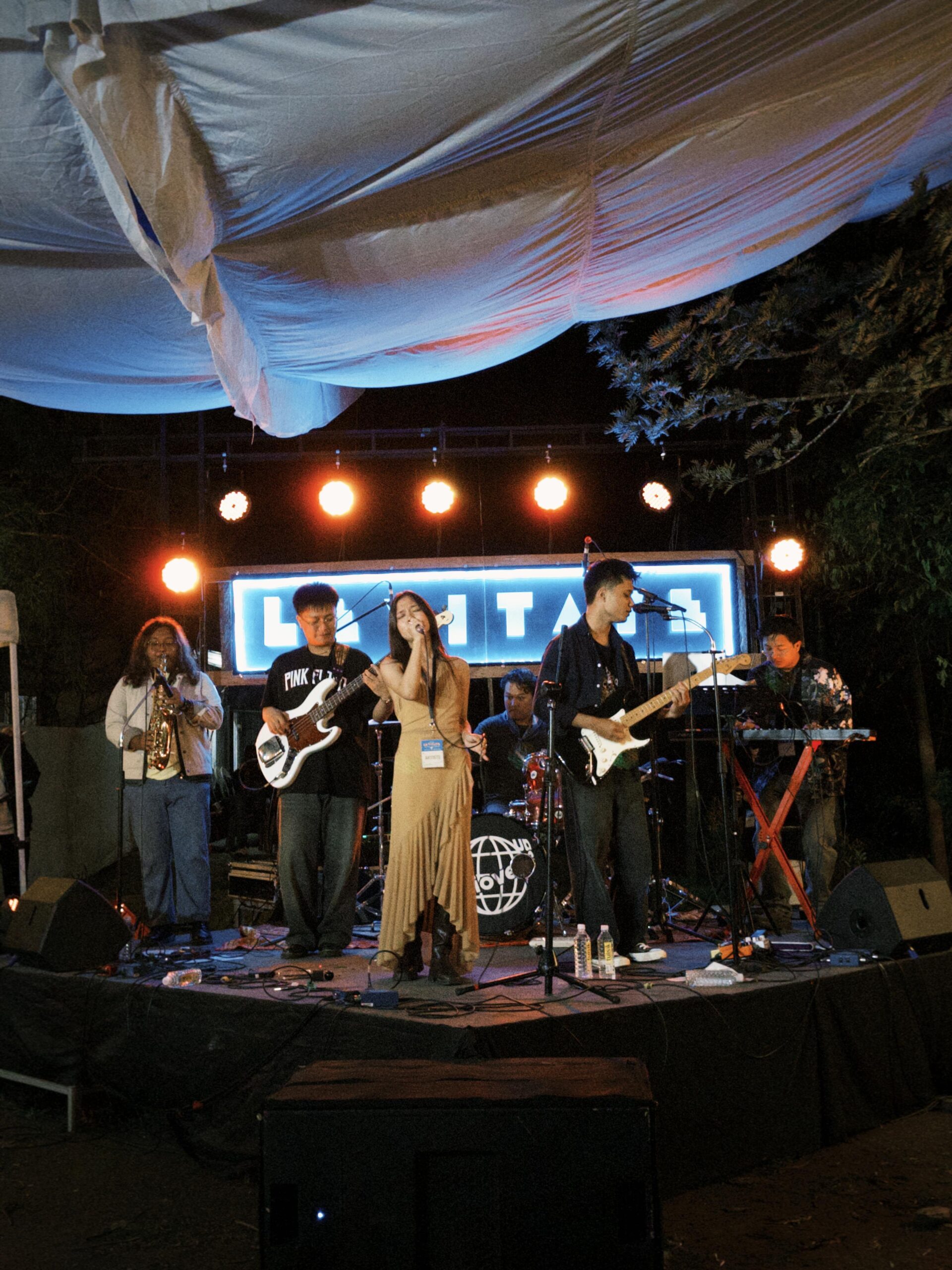
Emerging from Aizawl in 2021, RNZX is a genre-defying indie pop act that has done everything entirely on their own terms. Two albums in, Amateur (2021) and Messy (2024), both written, recorded, and produced entirely in their bedroom setup, they have built a fanbase that feels as genuine as the music itself. Rina Khawlhring, a multi-instrumentalist, songwriter, and producer (also a GMI Alum), started collaborating with his sister Zeli, a singer-songwriter, in the chaos of 2020, and the two have been quietly making noise ever since. Their live shows, backed by an incredible band, have been selling out regularly since 2021, from small festivals and treasured cafes in Mizoram to, most recently, a sold-out headline show at Depot48 in Delhi. With 79K monthly listeners on Spotify and over a million views on YouTube, their latest single Thawnthu Tawp (2025), featuring Dingtea Guite, has rang through as the indie anthem of Mizoram, hitting numbers across platforms like nothing before it, and earning them a spot on TuneCore’s Next Playlist as one of the rising independent voices in the scene. No doubt about it as I have come to personally love every single song I have heard by them so far.
I sat down with Rina and Zeli to talk about where it all started, what independence really means to them, and why a song they wrote on a video call took three years to finally reach the world.
Let’s start from the very beginning. You started RNZX in 2020. What was the moment or the conversation that made you both say, let’s actually do this together?
Rina: We were always around in the same house together, and then COVID hit and we were just staying at home, nothing to do really. I had started producing some music, and my sister always sang in churches growing up. So, one random evening I just asked her, hey, I have this track, do you want to sing on it? And that just started it.
Zeli: We just started jamming out of nowhere. Purely out of boredom, I think.
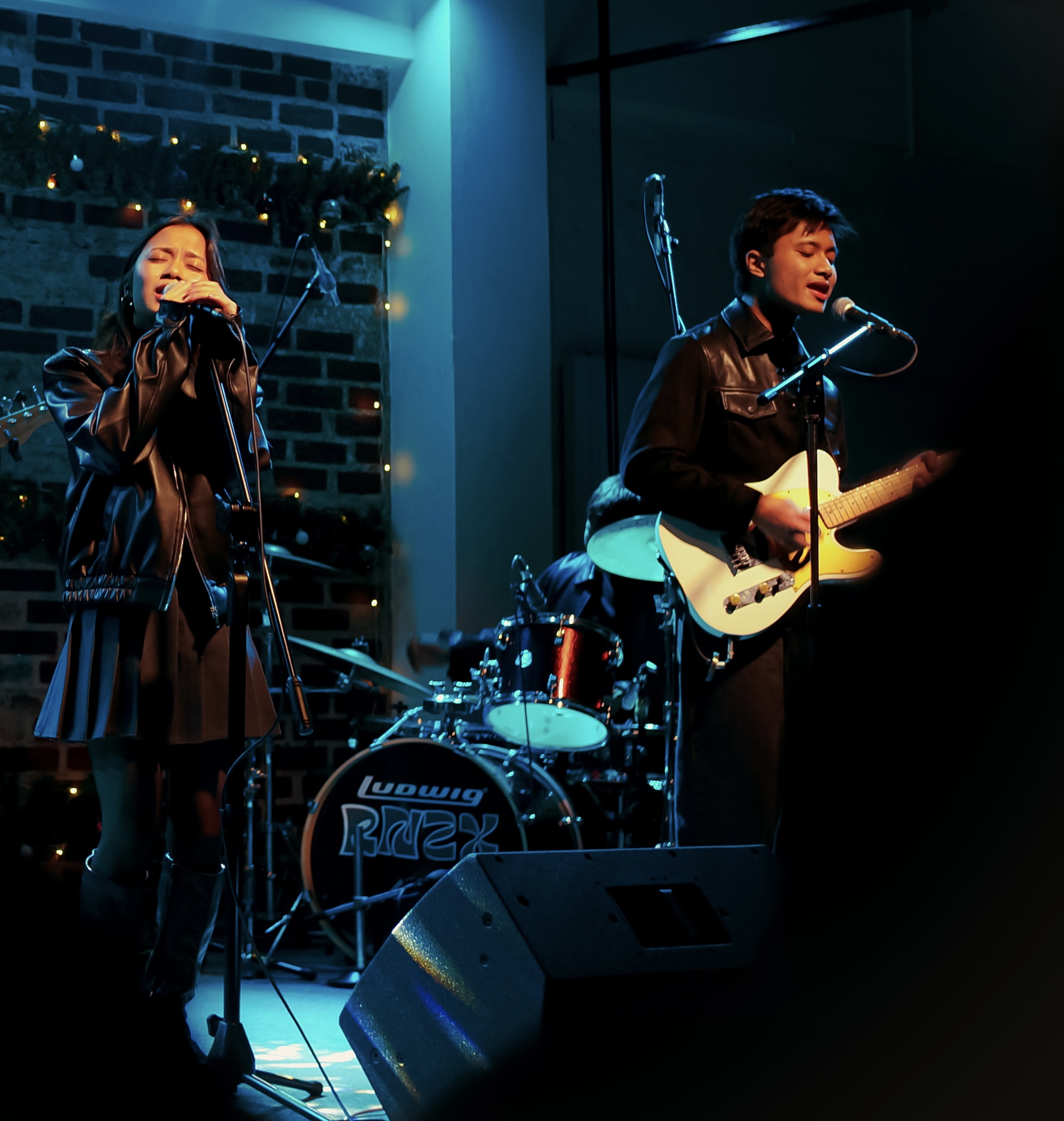
I love that. A sibling duo is rare, and when it works, it really works. And that gospel foundation, growing up singing in a church, that’s such a strong place to build from. Why the name RNZX though?
Rina: Honestly, since our first release, it’s one of the most asked questions we’ve ever gotten from our audiences, and we’ve never really had a definitive answer. My name is Rin, so I wanted a stage name that starts with R, that’s it. I was producing and I wanted something that sounded like a cool producer name. I couldn’t come up with anything good, and then somehow I just stumbled upon RNZX one day and we’ve been stuck with it since.
A name that gets people asking questions is already doing its job. But growing up in the same house, did you always share the same taste in music or did your influences pull you in different directions?
Zeli: I would say both. We share a lot of the same taste, but sometimes he would listen to something new and I would get curious and follow him into it. It kind of goes like that.
Rina: Yeah, growing up we were exposed to a lot of music together through our parents and our elders, mostly classic stuff. And then later, we both fell in love with the indie wave that was coming up around 2019. When we actually started writing our own songs, indie was really what we were drawn to.
I have seen your interviews and you have cited the Beatles as a big influence, which honestly tracks because you can hear it in the way your voices just melt together. But let’s get into the process. Everything — writing, recording, producing — happens between the two of you. The bedroom producer thing has been around for a good while but Billie Eilish really brought it into the mainstream conversation, and it feels like you have made it your identity in a really genuine way. What does that creative workflow actually look like on a typical day?
Rina: It’s really simple. Most of the time I have an idea, maybe a chord structure or something in my mind. I usually record a demo first on my laptop, and then we sit together and work it out. Sometimes, we write a whole song in just one night. We are not really stressing about whether it is good or bad or whether it will work. We just write and we don’t overthink the process that much.
Yeah, many musicians end up on their hundredth revision of the same demo and it just spirals. Rina, you went through GMI, so you have had that formal training and the real studio environment. Did that ever collide with the bedroom setup or did it actually push you further?
Rina: Oh yeah, definitely. I have always just produced and made music in a bedroom setup, but going to GMI was my first real experience of what a proper studio workplace actually looks like. The ethics, the workflow, how things are really done. And now I bring all of that back into what we make here, even if it is still in the bedroom. I learned a lot in my time there. And honestly, I still just love making music this way. We will get to a proper studio one day, maybe, but for now this works.
Your albums sound great regardless. There is a technical difference between a studio and a bedroom setup, but the quality of what you are putting out is genuinely impressive for a bedroom production. Zeli, what about you? Are you looking into music education or are you on a different path?
Zeli: Not really. I am in my last year of architecture actually. I have been singing since I was a kid and my family and my parents have always been interested in singing too, so they kind of got me into it as well. But I don’t think I would be pursuing formal training going forward. I will still be singing with my bands and with my brother, obviously, just not in that direction anytime soon.
That is actually a really smart plan. And there is something interesting about those two polarities, architecture and music production, coming together and just working. Going back to your bedroom setup: limitations can sometimes accidentally push you toward a sound or an idea you would never have found otherwise. Has that ever been the case for you?
Rina: Yeah, definitely. We just tried to make the best out of what we had at home, and sometimes that led to decisions that would not be how things are done in a proper studio. And I think that is actually what shaped our sound, especially in the earlier releases. If you listen to our earlier stuff, the sounds and the mixing are pretty DIY because we literally did not have a proper audio interface or studio monitors. We just plugged a guitar into a mixer straight into the laptop, FL Studio, really cheap headphones to mix. But we still managed to finish those songs and we were brave enough to put them out, and that felt like everything at the time.
And that is the first step towards anything really, putting that first thing out and finding the courage to keep going. I am glad you did. Your socials are really strong and the way people interact with your stuff shows exactly how much you have built in these five years. One last question before we get to the single. Siblings can be brutally honest, I have an older brother so I know how that goes. How do you handle it when one of you loves an idea and the other really doesn’t?
Zeli: Honestly, I like that he is honest. I would rather have someone be honest about not liking something than hold back. It hurts a little bit sometimes, but it has a good outcome. I am glad we have that sibling connection because if he were a friend, he might have been afraid to say something, and that would not have been good for the music.
Rina: Yeah, I can be brutally honest sometimes. I have very particular things I like and don’t like, and I do try to push her. But since we are siblings there are no hard feelings at all, even when we are going back and forth about something. It is all good at the end of the day.
Like the Oasis brothers, they always come back around anyway…at some point. Coming to your single now, Thawnthu Tawp. The song is about losing someone and struggling to move on, something I think everyone has felt at some point. How personal was it to write, and how did Dingtea shape the final feel of it?
Rina: So she had already left for college in 2022 and I was still back home, but we were still trying to make music together. I had this demo, which is pretty much the same as the intro you hear in the released version. We had a video call, I showed her the demo, and we actually wrote the song that night. And then we just kept it for three years. Left it there and worked on other stuff. Then we became really close friends with Dingtea, and he was writing all these really beautiful Mizo songs himself. We honestly feel like he writes better in Mizo than us. We showed him the song and he helped us finally finish it, three years later.
That story in itself is something. And it really shows, because even when you don’t understand a single word, if a song connects with you, it has done exactly what it needed to do. The song is in Mizo, your mother tongue. Did you feel a sense of responsibility or pride in bringing your language into the indie space?
Zeli: Yeah, I would say so. A lot of people would not even know that RNZX is a Mizo artist. When we first released our Mizo songs, people were genuinely surprised, and it was really nice to get that recognition from our own people. They loved it, and that felt really good.
Rina: Honestly, we did not even think the single would be that big. We just put it out on a random Sunday night, no promotion, nothing. And then within a few days it just went up and we were really surprised. I’m really glad too.
It is now your most listened to song on Spotify, which is wild considering it went out on a random Sunday with no push behind it. Something that took three years to exist just went like that, and I think that says something really interesting about how the algorithm actually works, and honestly about how authentic music finds its people. TuneCore’s Next Playlist is also spotlighting you as one of the rising independent voices in the scene right now. What does being truly independent mean to you both, beyond just the logistics of self-releasing? Is it a philosophy?
Rina: Yeah, when we started around 2020 the indie scene was at a real high, especially for bedroom artists. Instagram and TikTok were blowing up around the same time too. But for us, being independent is not just a trend or a moment. I don’t think we would be making this kind of music, or any music really, if we were not doing it independently. We need that space and freedom to actually express ourselves. Without the pressure of a label or management telling us what to do, I think we do our best work. We plan on staying independent going forward. It has its challenges, promoting yourself the way label artists can is genuinely hard. But being independent is what drives us to keep making music.
Zeli: I just really enjoy the freedom.
I completely agree, and I personally see indie music as a very real revolution against record labels. Labels either limit you or want to control what gets released. Even Frank Ocean, when he had one album left on his contract, released an ambient visual album, called Endless just to fulfil the deal and then dropped Blonde independently the very next day on his own terms. The power that indie artists hold is real and that is why people love it so much, because the music comes from a place of complete freedom. So it is really great to hear you are both set on staying independent.
Now, the Northeast indie scene is having a real moment right now and it is something we have been really passionate about at GMI as well, wanting to highlight more artists from the region because there is so much happening there. Do you feel part of that community or does it still feel like you are building in isolation?
Zeli: I would say we are very much part of the bigger picture. Even in Mizoram, as we were growing as small indie artists, our elders and senior artists always supported us and pushed us, to perform at festivals, to keep going. That really shaped us. Being in a community is so much better than being isolated because it influences you, and eventually you influence other artists as well.
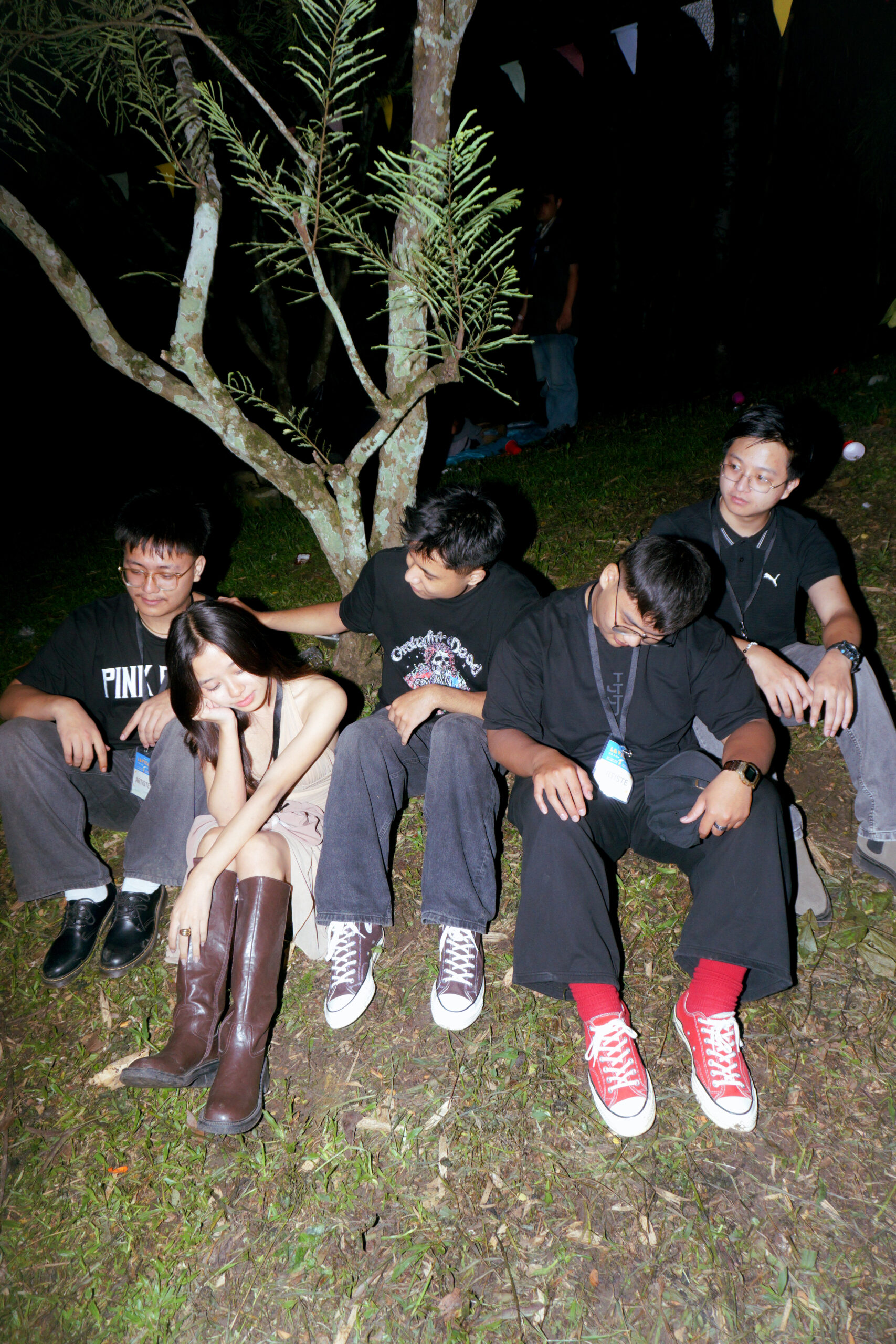
Rina: Since our first release, especially in Mizoram, our elders supported us from day one. They taught us how things work and made us feel like we belong in that community since the very beginning. We are still getting to know the other Northeast states better, but within the Mizo indie community we feel really at home.
I kind of knew the answer when I was asking it, but it just feels good to hear it from you both. And I love that the culture of support starts right from your own family, because in a lot of other parts of the country that is genuinely not the case. That kind of environment builds something irreplaceable. If RNZX could sound completely different five years from now, would you be excited or scared by that change?
Rina: I think there are two scenarios. One is we stay true to our indie roots, keep making indie music for the next five to ten years, and that is it. Or we do something totally different, but something that still sounds and feels like us, an album that is something we have never done before. I am honestly not sure yet where it is going to go.
And who is to say you cannot do both and still be true to yourself? There is no rule that says you have to pick one. One last quick fire to close this out, one album that changed how you think about music?
Rina: Recently, for me personally, it was Billie Eilish’s HIT ME HARD AND SOFT. The production, everything about it is really inspiring. It kind of changed how I view music and the music we make as a sibling duo. They are out there just doing their thing and that really inspired me.
Zeli: I totally agree. I would say the same one.
It really was. And all of Billie Eilish’s work is great, but that album went all in from start to finish, the production, the visuals, everything about it. I think your future looks really bright and I am genuinely excited to see what comes next. Thank you so much for taking the time to chat with me today. Is there anything you want to add or any closing note?
Rina: We are really honoured that you and the team thought about us and gave us this space. And honestly, I feel really excited about what is coming.
RNZX are the kind of artists that sneak up on you. Built from scratch in a bedroom in Aizawl, grown through sold-out stages in Mizoram and now Delhi, and carried forward by a community that believed in them from day one, Rina and Zeli are proof that the most honest music always finds its way to the right ears. Thawnthu Tawp is just the beginning of what feels like a very long, very beautiful story. Stream it, share it, and follow their journey on Instagram at @rnzxmusic.
The Northeast has a lot to say, listen to them.
View this post on Instagram